American Siding Design Trends: Engineering Durable Residential Envelopes
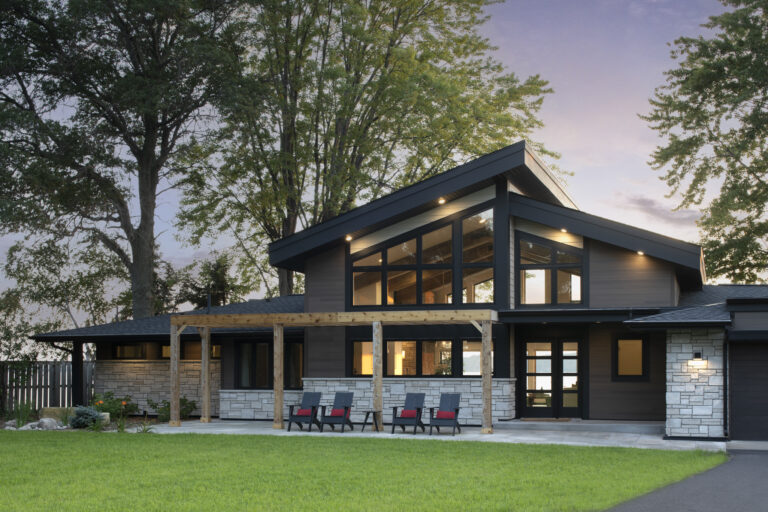
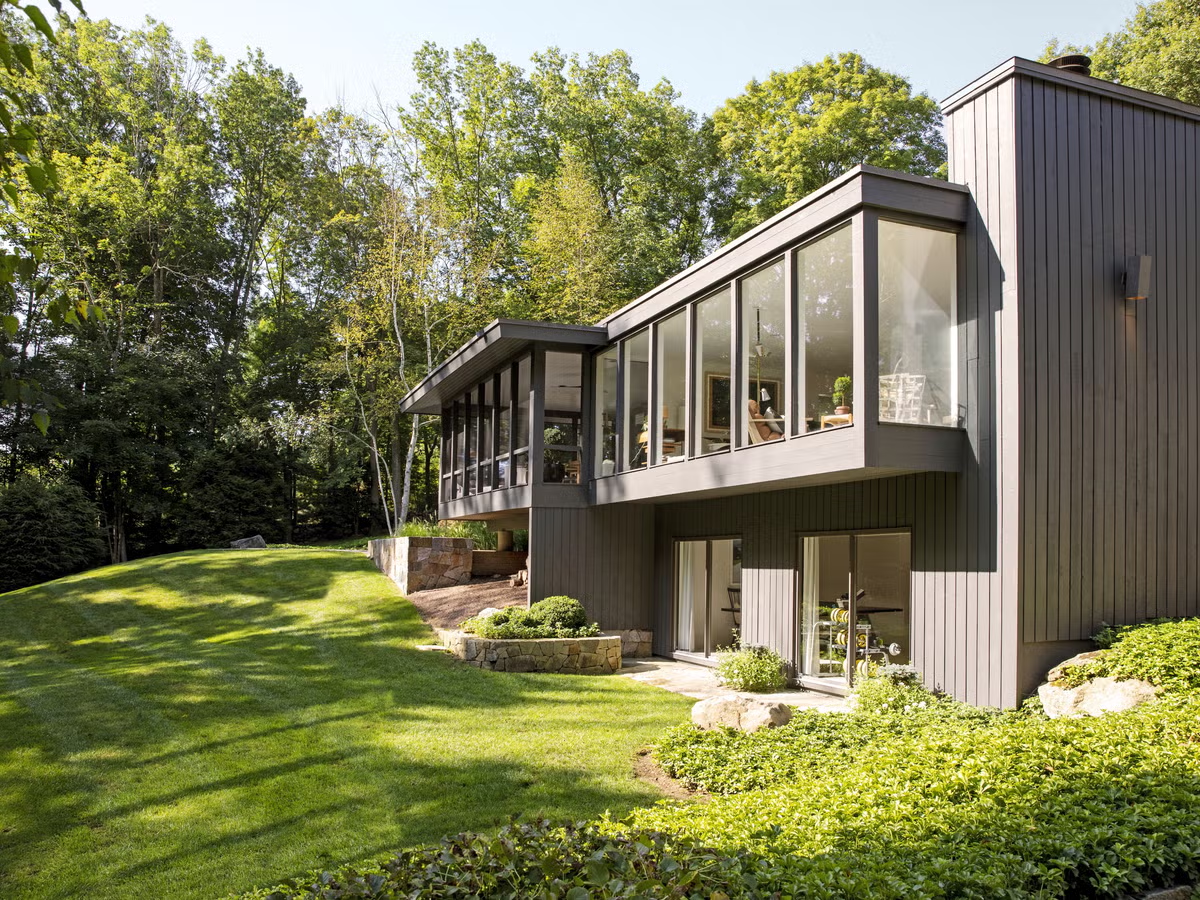
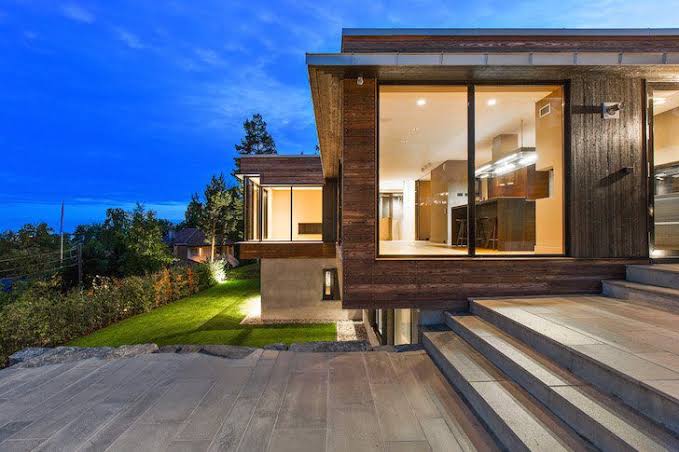
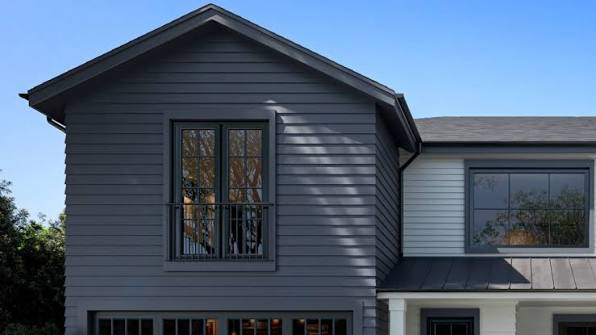
The residential facade in the United States is currently undergoing a fundamental transformation. American Siding Design Trends. Architects and builders are prioritizing structural longevity alongside evolving aesthetic preferences. Exterior systems are no longer treated as mere decorative skins by industry professionals.
Modern envelopes are designed as highly technical assemblies. Integrated layers of rainscreens, continuous insulation, and vapor barriers protect the structural skeleton from environmental stress. Long-term property value is secured through this rigorous engineering approach.
This analysis deconstructs the physical requirements for resilient exterior cladding. It explores the interplay between material selection and the demanding American climate. A definitive technical framework is provided for those navigating the complexities of high-performance building design.
Understanding “american siding design trends”
Professional architects interpret american siding design trends by focusing on systemic performance. A pervasive industry misunderstanding suggests that these shifts remain purely visual. Design choices are actually driven by advancements in material science and regional building codes.
Oversimplification regarding system performance often leads to catastrophic failures in high-end projects. Facades are frequently treated as impermeable boxes by inexperienced installation teams. This approach ignores the critical necessity for controlled moisture movement.
Sophisticated designers recognize the tension between modern aesthetic goals and physical reality. The most successful projects harmonize emerging styles with time-tested building science principles. Every architectural preference must be validated against the specific hydro-thermal conditions of the site.
Historical Evolution of Exterior Systems
Early American construction utilized regionally sourced timber, brick, or native stone. Traditional builders refined these techniques over centuries to address local weather patterns. Industrialization introduced standardized products during the middle of the 20th century.
Construction speed became a dominant priority for many developers. The nuanced protective layering of earlier traditions was often discarded for efficiency. Modern engineering has since recovered these essential protective techniques through better analytical models.
Conceptual Frameworks for Envelope Integrity
The Rainscreen Principle
Rainscreens treat exterior cladding as a non-structural drainage screen. A ventilated gap is created between the siding and the inner wall. Liquid water is allowed to drain away safely.
This framework is widely considered the most reliable method for building protection. It prevents accumulation behind the decorative finish. Air circulation actively promotes the drying of structural components.
The Thermal Decoupling Strategy
Continuous insulation is utilized to separate the exterior cladding from the frame. Thermal bridging is mitigated by these high-density boards. Condensation risks are reduced during rapid seasonal temperature swings.
This approach significantly improves the energy performance of a residence. It ensures that internal temperatures remain consistent. The longevity of the structural members is extended through climate control.
The Lifecycle Cost Framework
Materials are evaluated based on total costs over long durations. Procurement, labor, and maintenance cycles are included in the assessment. Higher upfront investments are justified by lower long-term service expenses.
This model provides a clear view of financial responsibility. It helps owners choose products that deliver the most value. Short-term savings are often eclipsed by the expenses associated with replacements.
Categories of Cladding Systems and Trade-offs
| Cladding Type | Maintenance Needs | Durability Profile | Main Installation Challenge |
| Engineered Wood | Moderate | Moderate | Precision Cutting |
| Fiber Cement | Moderate | High | Weight Handling |
| Natural Cedar | High | Moderate | Moisture Control |
| Metal Panels | Low | Very High | Thermal Expansion |
| Masonry Veneer | Very Low | Excellent | Foundation Load |
| Cellular PVC | Low | High | Movement Tolerances |
Real-World Decision Logic
Selection requires an analysis of site-specific environmental stressors. Intense solar loads necessitate expansion joints for metal systems. Humid regions require aggressive ventilation behind all cladding.
Real-World Scenarios and Failure Analysis American Siding Design Trends
Humidity-Driven Structural Decay
A fiber cement project was installed in a humid zone without drainage. Moisture accumulated behind the boards within three years. Extensive structural rot necessitated a full deconstruction of the affected wall sections.
Thermal Deformation of Panels
Metal panels were attached to a south-facing wall without expansion clips. Visible warping occurred during peak summer months due to thermal expansion. Corrective actions required a full replacement using an engineered system.
Flashing and Weep System Errors
Brick veneer walls showed signs of dampness due to incorrect base flashing. Trapped water remained behind the masonry for extended periods. A retrofit of the weep system restored the path for water egress.
Planning, Cost, and Resource Dynamics
| Component | Labor Intensity | Failure Probability | Resource Demand |
| Substrate Prep | High | High | Structural |
| Drainage/Flashings | High | High | Moisture |
| Cladding Placement | Moderate | Low | Aesthetic |
| Finishing/Sealing | Low | Moderate | Weather |
Tools and Support Systems for Quality
Infrared Thermography
Thermal imaging identifies hidden cold spots in walls. These areas often indicate moisture accumulation behind finished surfaces. It provides an objective assessment of building performance.
Hygrometer Arrays
Integrated sensors track moisture content within the wall cavity. Actionable data is generated regarding drainage system efficacy. It serves as a critical warning for potential degradation.
Precision Cutting Equipment
Quality material requires accurate cuts to maintain tight joints. Professional-grade saws prevent jagged edges that admit water. It ensures a weather-tight finish across the exterior.
Compatible Flashing Tapes
Chemical compatibility between tapes and substrates is essential for integrity. These membranes seal window and door openings against water entry. They act as the final defensive layer for the envelope.
Risk Landscape and Failure Modes
Taxonomies of failure include structural rot and aesthetic degradation. Compounding these risks is the absence of a structured maintenance cycle. Feedback loops for accelerated decay are created when these issues are ignored.
Periodic monitoring remains the only way to manage persistent environmental pressures. Professionals identify small breaches before they turn into major structural repairs. A culture of preventative maintenance protects the investment.
Governance, Maintenance, and Long-Term Adaptation
Permanent management protocols ensure system health. Bi-annual cleaning removes biological growth from the cladding. Regular inspections of caulk lines prevent minor breaches from expanding.
Exterior alterations require careful re-integration into the envelope design. The original performance standard must be maintained during new additions. Professionals audit the system periodically to ensure functionality.
Measurement, Tracking, and Evaluation
-
Leading Indicators: Sealant condition and cladding gap uniformity are monitored regularly.
-
Lagging Indicators: Staining and peeling indicate that the system has been compromised.
-
Documentation Example: An Envelope Performance Ledger tracks installation dates and inspection cycles.
Objective data tracking allows for efficient troubleshooting of any problems. Owners distinguish between weathering and systemic performance degradation through logs. Informed decisions are made based on historical evidence.
Common Misconceptions and Oversimplifications
-
Myth: Vinyl is always maintenance-free. Correction: Fastener fatigue and growth require monitoring for all plastic systems.
-
Myth: Caulk is a permanent sealant. Correction: Elasticity is lost over time, necessitating periodic replacement.
-
Myth: All siding is water-tight. Correction: Cladding acts as a screen, meaning secondary drainage is mandatory.
-
Myth: Wood is better for the environment. Correction: Chemical treatments are required for durability in wet climates.
Ethical and Contextual Considerations
Professional stewardship focuses on the total performance of the building. Designing envelopes that fail within a decade is considered financially irresponsible. Practitioners select materials suited to the specific climate of the site.
Structures serve as reliable assets for future generations through design. This commitment to quality builds authority within the construction field. Long-term value is prioritized over simple, fast installations.
Conclusion
The evolution of american siding design trends remains a technical exercise in engineering. It requires moving beyond simple visual preferences toward building science. Moisture drainage and thermal stability are prioritized by expert designers. Consistent application of these principles results in durable structures.