How to Avoid Siding Color Fading: Structural Coating Protection Guide
The aesthetic and structural preservation of a vertical building envelope is constantly challenged by solar radiation kinetics and atmospheric oxidation. An exterior wall assembly functions as a dynamic boundary that must withstand environmental weathering while retaining its original physical properties. How to Avoid Siding Color Fading. This outermost skin layer is subjected to continuous electromagnetic radiation, shifting thermal profiles, localized ozone accumulation, and chemical moisture interactions. When cladding profiles are specified without considering these atmospheric forces, color longevity and structural performance drop significantly.
In the North American architectural sector, managing color fastness requires an objective understanding of pigment degradation science. Building design teams frequently encounter systemic fading failures when exterior materials are selected solely on initial visual appearance without verifying chemical composition. A successful building specification balances original capital costs with the long-term chemical stability and UV-reflective capacity of the substrate coating. Every specific finish material presents distinct molecular properties that react uniquely across variable regional microclimates.
Long-term aesthetic stability is achieved when solar energy exposure is safely managed by stable chemical bonds before photochemical oxidation can occur. Light-frame commercial and residential structures located in high-altitude or low-latitude regions are particularly vulnerable to accelerated color loss. Because chemical breakdown varies between composite, polymeric, and coated metallic panels, surface protectants must be formulated to resist specific environmental stresses. This master reference document details the scientific parameters, coating technologies, and preventative strategies that protect exterior architectural finishes.
How to avoid siding color fading
Chemical Mechanisms of Solar Degradation
Architects and materials engineers define the core guidelines of exterior wall preservation by evaluating how to avoid siding color fading through advanced accelerated weathering tests. A common misunderstanding in residential property development is evaluating color loss as a superficial or purely cosmetic issue. Ultraviolet radiation breaks down the molecular bonds within the exterior coating polymers, causing chalking, brittleness, and loss of structural protection. Therefore, specialized uv-blocking additives must be blended directly into the finish during manufacturing.
The performance of an exterior wall coating is heavily influenced by the chemical structure of its integrated pigments. When organic pigments are utilized in dark exterior finishes, they absorb high levels of solar radiation energy. This absorbed heat energy breaks down carbon-carbon bonds, resulting in rapid color shifting and uneven fading across the facade. Incorporating highly stable inorganic ceramic oxides allows the siding material to reflect harmful light waves.
Photochemical Oxidation Prevention
Continuous exposure to atmospheric oxygen and humidity accelerates the chemical breakdown of low-grade exterior paint layers. Unprotected siding finishes fail because free radicals are generated at the surface, which continuously attack the underlying polymer matrix. By specifying high-performance fluoropolymer coatings, a strong chemical barrier is created on the material face. These advanced coatings contain exceptionally strong carbon-fluorine bonds that resist standard oxidation reactions.
Mechanical design decisions represent another critical factor when choosing an effective method of how to avoid siding color fading across different architectural orientations. Siding profiles installed on southern or western exposures receive much higher total solar radiation loads than northern walls. If these high-exposure elevations are left unshaded by structural overhangs or landscape elements, color variation will occur across the building. Proper project design requires adjusting coating specifications based on localized solar exposure calculations.
Deep Contextual Background
Historical Evolution of Architectural Pigment Technology
Early North American building designs relied on natural mineral pigments, crude animal fats, or linseed oil to protect wood siding boards. These traditional coating mixtures provided basic moisture protection but faded quickly when exposed to direct summer sunlight. Color changes were managed by re-applying these natural coatings every few years, which slowly built up a thick protective layer over the timber. Because early pigments were derived from earth oxides, they were limited to muted reds, yellows, and browns.
The subsequent transition to synthetic organic dyes in the mid-twentieth century allowed manufacturers to offer bright, vivid exterior siding colors. However, these early synthetic formulations possessed poor molecular stability under intense ultraviolet light exposure. Siding products finished with these dyes suffered rapid color loss, frequently turning white or grey within a few years of installation. This widespread failure pushed the building materials sector to invest heavily in modern industrial coating chemistry.
Evolution of Modern Exterior Finish Standards
The development of advanced polyvinylidene fluoride and acrylic resin coatings in recent decades transformed the architectural finish market. These modern synthetic polymers form dense, non-reactive outer shields that block moisture and ultraviolet light. Modern manufacturing science uses these advanced resins to lock inorganic pigments deep within a durable material matrix. These stable systems can withstand decades of intense solar exposure without experiencing significant color shifts.
Contemporary building product standards have evolved from simple visual rating systems to precise color measurement criteria. Exterior panels are now tested using spectrophotometer instruments to verify long-term color retention before being approved for commercial use. These standardized tests show that maintaining color requires coordinating both ultraviolet protection and infrared heat deflection. Modern project managers apply these testing standards to ensure material durability across regions with high solar radiation.
Conceptual Frameworks and Mental Models
Electromagnetic Radiation Management Priority
The management of electromagnetic radiation must always be prioritized as the primary defensive line within any exterior finish design. This protective system consists of clear topcoats, ultraviolet absorbers, and hindered amine light stabilizers working together to neutralize solar radiation. All protective layers must be applied at precise factory thicknesses to ensure complete coverage over the base pigment. If the clear protective topcoat is applied too thin, ultraviolet rays will quickly reach the pigment layer.
Coating formulations must be enhanced with specific chemical stabilizers that convert harmful ultraviolet light into harmless thermal energy. Windows, roof edges, and surrounding flat surfaces can reflect additional solar energy onto adjacent siding panels. Experienced design teams evaluate these reflected energy pathways to prevent localized hot spots from accelerating color breakdown.
Binder Polymer Integrity Preservation
The binder polymer matrix holds the protective pigment particles in place across the surface of the siding substrate. Polymeric binders restrict moisture penetration and block airborne chemical pollutants from attacking the core color chemistry. Maintaining this binder matrix is essential for preventing chalking, which occurs when degraded polymers release loose pigment particles. The strength of the binder is determined by the specific chemical resins selected during the formulation stage.
All structural transitions and panel interlocking tracks must be manufactured to prevent localized mechanical stress on the coating binder. When siding materials flex or bend under wind loads, micro-cracks can develop in low-flexibility binder layers. These tiny fractures allow oxygen and water to enter, accelerating sub-surface pigment oxidation. Regular laboratory testing verifies that binder flexibility matches the natural movement of the underlying siding panel.
Infrared Heat Reflection Optimization
The thermal management boundary limits infrared heat accumulation within the dark exterior siding panels. Traditional dark color formulations absorb significant amounts of infrared energy, raising the surface temperature of the wall assembly. This heat buildup accelerates chemical reaction rates, leading to premature breakdown of the protective binder resins. Utilizing specialized cool pigments allows the siding surface to reflect near-infrared radiation while maintaining deep, rich colors.
The mechanical attachment of high-heat-reflective siding requires specific engineering to manage thermal movement across the facade. Long siding panels must be allowed to expand and contract smoothly without placing stress on the finished joints. Fastener spacing and track layouts must be calculated based on the maximum anticipated surface temperature of the selected color profile.
Atmospheric Oxidation Resistance Controls
The oxidation resistance framework regulates chemical interactions between the siding finish and environmental pollutants. Ozone, sulfur dioxide, and airborne sea salts can react with vulnerable pigment molecules, causing rapid color breakdown. Surface finishes must be chemically formulated to resist these corrosive interactions, especially in industrial or coastal environments. Material layers must resist moisture retention, as surface water can act as a catalyst for oxidation reactions.
Chemical compatibility must be verified for all cleaning solutions used on the exterior siding over its operational life. Applying acidic or highly alkaline cleaners can strip away the protective clear topcoat, exposing raw pigments to the atmosphere. Such maintenance errors cause fast, uneven color loss that cannot be corrected without completely replacing the panel.
Key Categories or Variations
| Coating Material Substrate | UV Resistance Rating | Primary Failure Mode | Baseline Dry Film Target | Target Gloss Retention |
| Fluoropolymer (PVDF) | Superior Resistance | Slow Gloss Reduction | 1.0 Mil Factory System | 85% Over 20 Years |
| High-Durability Polyester | Moderate Resistance | Rapid Surface Chalking | 0.8 Mil Baked Coating | 50% Over 10 Years |
| Thermoplastic Acrylic | High Resistance | Micro-Fissure Cracking | 1.2 Mil Liquid Finish | 70% Over 15 Years |
| Polyvinyl Chloride (PVC) | Low Resistance | Thermal Heat Warping | Solid Extruded Profile | 40% Over 8 Years |
| Polyurethane Enamel | High Resistance | Yellowing Alteration | 1.5 Mil Field Coating | 65% Over 12 Years |
| Inorganic Ceramic Oxide | Ultimate Stability | Natural Matte Erosion | Solid Mineral Fusion | 90% Over 30 Years |
Fluoropolymer Finish Technology
Fluoropolymer coatings are manufactured by combining polyvinylidene fluoride resins with highly stable acrylic polymers under intense heat. This advanced finish system offers exceptional structural resistance to solar ultraviolet radiation, chemical acid rain, and airborne dirt. The strength of this material comes from its carbon-fluorine bonds, which are among the strongest chemical connections in materials science. However, these premium coatings require specialized factory application processes, making them more expensive than standard field paints.
Field-applied touch-ups cannot replicate the molecular alignment achieved during high-temperature factory baking cycles. Any surface scratches or installation damage must be repaired using specific factory-approved air-dry fluoropolymer paints. Fasteners must be driven carefully to prevent the tool head from scratching this protective outer finish layer. Following these explicit handling rules prevents localized rust spots and premature color failure along the panel edges.
High-Durability Polyester Alternatives
High-durability polyester finishes provide a cost-effective, tough exterior surface option for industrial and commercial metal siding profiles. This chemical formulation is modified with silicone resins to improve its natural resistance to ultraviolet light and surface scratching. The resulting finish handles mechanical handling well during transit and installation on the job site. However, standard polyester resins remain vulnerable to long-term chemical chalking when exposed to continuous sunshine.
Nails and screws must be driven perpendicular to the face of the polyester-coated panel to avoid tearing the finish. If a fastener is driven at an angle, the sharp rim can scratch the protective polyester layer, exposing the bare metal underneath. Overlapping joints must be tight to prevent wind-driven dust from rubbing against the finish and wearing it down. Project managers track these installation details to ensure uniform performance across the building envelope.
Thermoplastic Acrylic Formulations
Thermoplastic acrylic coatings are formulated using high-molecular-weight polymers that dry into a tough, flexible exterior finish. This material is widely used for factory-finishing fiber cement and engineered wood siding panels because it adheres exceptionally well to porous substrates. The flexible nature of the acrylic resin allows it to expand and contract alongside the underlying panel during weather shifts. However, acrylic finishes can soften under extreme summer heat, making them more likely to trap airborne dust.
Every siding course must be clean and dry before liquid acrylic topcoats are applied in the field. Applying paint over a damp or dusty surface prevents proper adhesion, leading to premature peeling and flaking. Any field-mixed colors must be thoroughly blended using automated equipment to ensure an even distribution of protective pigments. Protecting the raw substrate with high-grade acrylic coatings extends the visual life of composite siding systems.
Extruded Polymeric Formulations
Solid extruded polyvinyl chloride siding contains integrated color pigments mixed directly into the plastic compound during the manufacturing stage. This method ensures the color runs completely through the material, making shallow surface scratches almost invisible from a distance. Titanium dioxide is added to the plastic blend to absorb harmful ultraviolet radiation and protect the polymer chains. However, dark-colored vinyl formulations still absorb significant heat, which can lead to structural sagging and distortion.
To accommodate this thermal movement, vinyl panels must be installed using loose fasteners centered within horizontal hanging slots. If a panel is pinned too tightly, thermal stress will warp the vinyl, creating wavy lines that catch the sun unevenly. Horizontal overlaps must be cut cleanly to avoid creating friction points that could cause the panels to bind. Following these specific design rules ensures the siding remains flat and retains its color over many years.
Polyurethane Enamel Coatings
Two-component aliphatic polyurethane enamels provide an incredibly hard, chemical-resistant finish option for field-painting architectural metal and wood facades. These coatings are valued for their exceptional gloss retention and high resistance to mechanical impacts and graffiti. The cross-linked chemical structure creates a dense barrier that blocks water, oxygen, and corrosive industrial chemicals. However, polyurethanes require precise mixing ratios and must be applied within narrow humidity ranges to cure properly.
The underlying siding surface must be completely free of oil, rust, and old paint before polyurethane application begins. Spray equipment must be cleaned frequently to prevent cured particles from creating lumps or uneven spots in the finish. Crews must wear specialized respiratory protection because these chemicals release dangerous isocyanates during the spraying process. Proper field application ensures a smooth, long-lasting color shield.
Inorganic Ceramic Fusions
Inorganic ceramic fusions are created by baking mineral oxides onto metal or fiber cement panels at temperatures exceeding 1500 degrees Fahrenheit. This process melts the mineral components into a glassy, non-porous finish that is completely immune to ultraviolet breakdown. Because the color is locked within a mineral crystal structure, these facades show almost zero fading over decades of exposure. However, this ultimate color stability comes with a brittle finish that can crack under heavy impact.
Specialized diamond-tipped saw blades must be used when cutting ceramic-faced panels to prevent chipping the finished edges. Panels must be mounted using engineered clip systems that isolate the brittle material from building movement. The high cost of these systems limits their use to premium commercial structures and high-exposure institutional projects. For these specific applications, ceramic fusions provide an unyielding color life that outlasts standard paints.
Regional Climate Coating Selection
Selecting the correct exterior coating configuration requires analyzing local environmental data and structural constraints. A high-altitude mountain project demands superior ultraviolet resistance due to the intense solar radiation found at higher elevations. In contrast, coastal maritime climates require coating systems that can withstand continuous exposure to airborne sea salts and high humidity.
The total annual hours of direct sunshine and the local airborne pollution index dictate the required durability of the pigment system. Regions with high solar exposure demand advanced fluoropolymer finishes rather than standard polyester options. High-pollution areas require non-porous surfaces that prevent dirt from bonding with the finish.
Detailed Real-World Scenarios How to Avoid Siding Color Fading
Scenario A: Photochemical Chalking in High-Altitude Climates
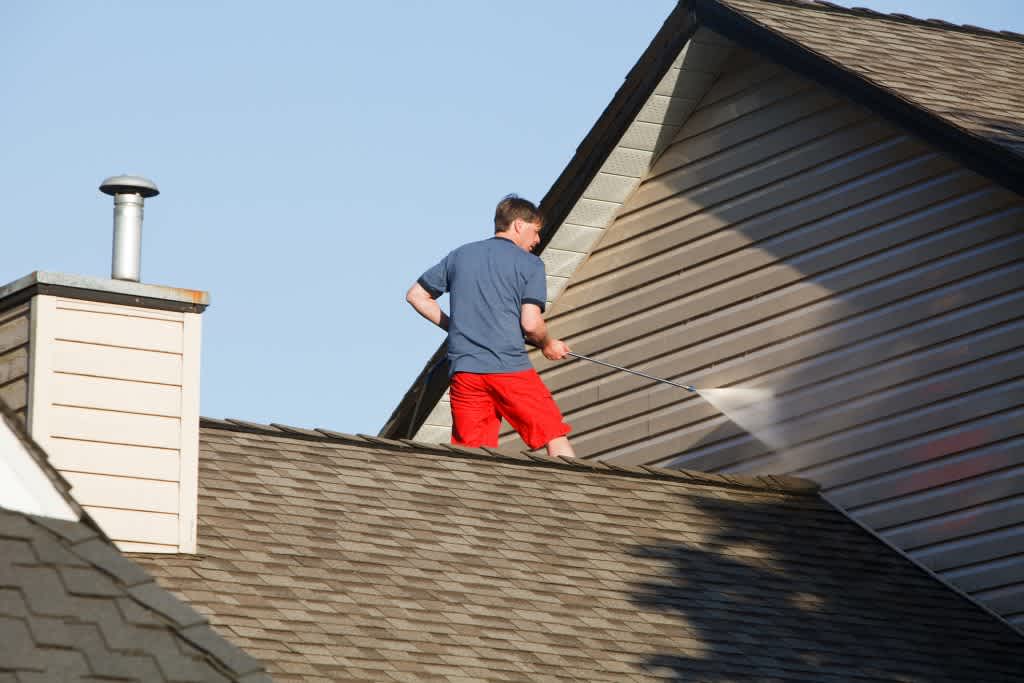
A two-story commercial office building was constructed in a high-altitude mountain region using dark bronze polyester-coated steel siding. The construction team selected a standard commercial paint finish without verifying its long-term ultraviolet resistance properties. During the first two years of operation, the intense high-elevation sunlight broke down the polyester binder resins. This chemical breakdown released the embedded pigment particles, creating a chalky white film across the facade.
The chalked surface dulled the original dark bronze color and allowed rainwater to wash pigment streaks onto the concrete walkways below. The entire facade had to be pressure washed, primed, and recoated with a premium fluoropolymer finish to restore the building’s appearance. This failure highlights the risk of using standard polyester coatings in regions with high ultraviolet radiation.
Scenario B: Differential Fading from Reflected Solar Energy
A modern multi-family residential structure in a southwestern desert city was finished with high-quality vinyl lap siding. The south-facing exterior wall was located directly across from a large commercial building with high-efficiency, silver-coated glass windows. These specialized windows acted as giant mirrors, reflecting a concentrated beam of solar energy onto a section of the vinyl siding. This reflected energy raised the surface temperature of the vinyl well above its engineered limits.
Within three summer seasons, the section of siding receiving the reflected light faded to a pale grey, while the surrounding walls kept their original color. The extreme heat also caused the vinyl panels to warp and distort along their mounting tracks. Remediation required replacing the damaged siding and installing external window screens on the adjacent building to diffuse the reflected light. This project shows why designers must evaluate nearby reflective surfaces when planning a siding installation.
Scenario C: Matrix Disruption from Improper Chemical Maintenance
A luxury beachfront hotel facade was finished with custom-colored thermoplastic acrylic coatings over fiber cement panels. To remove sea salt deposits and organic mold, the maintenance crew used a high-pressure commercial pressure washer. They mixed an unapproved, highly alkaline industrial cleaning chemical into the water tank to speed up the cleaning process. This strong chemical solution reacted with the acrylic binder resins, breaking the polymer chains apart.
Over the next year, the damaged acrylic matrix began to flake and peel away, exposing the raw fiber cement underneath. The uniform custom color turned patchy and uneven, destroying the premium look of the resort property. Corrective repairs required scraping the loose coating, applying a specialized binding primer, and repainting the entire facade. This scenario demonstrates how improper chemical maintenance can ruin high-quality exterior finishes.
Scenario D: Localized Oxidation in Coastal Environments
A corporate headquarters building located within one mile of a saltwater coastline was finished with bright blue polyurethane-coated aluminum panels. The installation crew field-cut several panels to fit around electrical conduits, leaving the raw aluminum edges uncovered. The salty, humid coastal air quickly attacked these exposed edges, initiating a galvanic corrosion process beneath the paint layer. This sub-surface oxidation spread inward, lifting the polyurethane coating away from the metal.
The blue finish began to bubble and peel back from every cut edge, exposing white aluminum oxidation crusts. This localized failure required removing the affected panels, cutting away the corroded metal, and sealing all new edges with a zinc-rich primer before reinstalling. This scenario shows why field-cut edges must be properly sealed when installing coated metal siding in coastal environments.
Planning, Cost, and Resource Dynamics
| Coating Layer Configuration | Baseline Material Cost | Installation Labor Cost | Color Shift Risk Weight | Expected Visual Lifespan |
| Substrate Primer Seal | Low ($0.30–$0.70/sq.ft) | Moderate | High Fading Risk | 15–20 Years (Hidden) |
| Factory PVDF Coating | High ($3.50–$6.00/sq.ft) | Superior | Low Color Shift Risk | 30+ Years |
| Liquid Field Acrylic | Low ($0.50–$1.20/sq.ft) | High | Moderate Fading Risk | 8–12 Years |
| Cool Pigment Additives | Moderate ($0.80–$1.50/sq.ft) | Low | Low Thermal Risk | 25+ Years |
| Clear UV-Blocking Topcoat | Moderate ($1.00–$2.20/sq.ft) | Moderate | Critical Protection Layer | 20–25 Years |
Value Engineering vs. Aesthetic Preservation
Optimizing an architectural project budget requires concentrating capital on the outer finish layers that shield the building from solar radiation. The clear topcoat, ultraviolet inhibitors, and inorganic pigment selections represent essential choices that must never be downgraded. Savings should be achieved by adjusting interior finishes rather than cutting costs on the primary exterior color protection systems. Investing in premium factory-applied fluoropolymer coatings reduces the risk of expensive future repainting projects.
Cheap field paints and low-grade polyester coatings degrade rapidly when exposed to intense environmental weathering over a few seasons. Once these low-cost finishes break down, restoring the building’s appearance costs far more than the initial material savings. High-performance design teams allocate budget to ensure the outer color protectants outlast standard property renovation cycles. This spending strategy protects the building’s visual appeal and maximizes the value of the property investment.
Impact of Factory Pre-Finishing Schedules
Selecting field-applied coating systems can introduce major quality control risks during unstable weather seasons. When rain, wind, or high humidity disrupt field painting schedules, the consistency of the final finish is compromised. These weather delays increase construction financing costs, delay handover schedules, and reduce overall project profitability. Opting for factory-finished siding panels ensures a uniform coating thickness applied under controlled environmental conditions.
A factory-controlled finishing sequence allows installation crews to mount fully cured panels immediately, regardless of local weather conditions. This predictable installation process reduces on-site labor requirements and helps maintain the overall construction timeline. Understanding these production dynamics helps building teams balance material choices with efficient field execution.
Tools, Strategies, and Support Systems
Digital Spectrophotometer Gauges
Portable digital spectrophotometers measure surface color reflection across three-dimensional color space with high precision. This diagnostic tool provides direct readings of color variations before visual changes become noticeable to the human eye. Siding finishes should be audited annually using these instruments to track the exact rate of color change across different elevations. Catching early fading trends allows maintenance teams to apply protective clear coats before major damage occurs.
Testing should be performed across the entire facade, focusing on high-exposure zones like southern walls and unshaded parapets. Stable color readings must be verified by quality assurance teams to confirm the coating is performing as expected. Keeping written logs of these spectrophotometer readings provides clear documentation of how to avoid siding color fading over the life of the building. This simple testing protocol helps teams understand how to prevent unexpected fading across different parts of the facade.
Accelerated Weathering Chambers
Laboratory weathering chambers use intense fluorescent ultraviolet lamps and high-pressure water sprays to simulate years of outdoor exposure in a few weeks. These testing systems allow materials engineers to evaluate how new coating formulations handle long-term solar radiation and moisture tracking. Siding manufacturers utilize this data to verify the durability of their pigment mixtures before launching new product lines. Designers review these certified test reports to select finishes proven to last in specific regional microclimates.
Analyzing these performance reports helps design teams avoid unproven coating products that might fail prematurely in the field. This testing process provides an objective evaluation of how well the binder resins hold up against environmental stresses. Reviewing accelerated weathering data helps building teams avoid high-risk finishes before they are applied to commercial structures.
Infrared Reflection Meters
Handheld infrared reflection meters measure the amount of solar heat energy reflected away from dark-colored siding surfaces. This instrumentation allows field inspectors to verify that cool pigments were properly mixed into the factory finish. Siding profiles that fail to reflect infrared heat build up high internal temperatures, accelerating the breakdown of protective resins. Testing should be performed on sunny days to measure actual surface temperatures across different color choices.
Identifying high heat absorption early allows project managers to add structural shading elements before heat deforms the siding panels. This non-destructive testing methodology provides an objective look at how thermal energy interacts with the facade. Regular infrared reflection testing helps building teams catch manufacturing defects before they turn into major field failures.
Dry Film Thickness Transducers
Ultrasonic dry film thickness gauges measure the exact depth of protective coatings without damaging the finished surface. These precision instruments ensure that factory-applied primers, pigments, and clear topcoats meet specified thickness targets. If a coating layer is applied too thin, its ability to block ultraviolet light and moisture drops significantly. Installers use these gauges to audit incoming material batches before mounting the panels on the wall studs.
Maintaining uniform coating thickness across the entire facade prevents spotty fading and uneven surface weathering. Using these digital measurement tools ensures the finish meets the strict requirements of architectural design specifications. Thickness audits help field crews identify low-quality material batches before installation begins.
Solar Irradiance Sensors
Digital solar irradiance sensors measure the intensity of solar radiation hitting specific sections of a building facade over time. This data allows energy engineers to calculate the total ultraviolet and infrared energy load placed on different siding elevations. Property managers use this information to plan targeted maintenance schedules for the highest-exposure sections of the building. Installing sensors during the design phase helps teams optimize the placement of structural sunshades and overhangs.
Mapping these solar energy paths allows maintenance teams to focus their resources on the most vulnerable parts of the facade. This data-driven tracking replaces guesswork with clear measurements of real-world environmental stress. Understanding solar irradiance trends helps teams extend the visual life of the exterior siding system.
Automated Color Matching Systems
Computerized color matching systems use advanced software to calculate exact tint formulas for field-applied touch-up paints. When a siding panel suffers mechanical damage during installation, the repair paint must match the surrounding finish precisely. These automated systems analyze the light reflection of the factory finish to create a custom blending formula. Using properly matched touch-up paint prevents obvious shiny spots and mismatched patches across the wall.
Repair paint must be applied using precision airbrush tools to keep the patch as small and unnoticeable as possible. Following these strict color-matching steps preserves the uniform appearance of large architectural facades. Using automated matching tools allows field crews to deliver a clean, professional exterior finish.
Risk Landscape and Failure Modes
Binder Cleavage and Chalking Progressions
Physical breakdown within exterior siding coatings follows specific, predictable failure paths driven by ultraviolet radiation and chemical oxidation. Ultraviolet rays break down the cross-linked polymer chains within the finish binder resin, weakening its grip on the pigment particles. As the binder erodes, loose pigment particles accumulate on the surface, creating a dull, chalky appearance. This chalk layer reflects light unevenly, making the original color look faded and worn from the street.
Neglecting early surface chalking can lead to deeper failure paths that threaten the siding substrate itself. Once the protective binder is gone, rainwater can soak directly into composite wood or fiber cement panels. This moisture absorption causes edge swelling, cracking, and peeling, requiring complete replacement of the siding. Proactive surface cleaning is necessary to remove this loose chalk and protect the remaining finish.
Non-Uniform Solar Exposure Patterns
Uneven solar exposure across a building’s facade creates distinct variations in color fading over time. Sections of siding sheltered by deep roof overhangs receive much less ultraviolet radiation than unprotected lower walls. Over several years, this difference in light exposure creates visible color lines between shaded and unshaded sections of the same wall. This uneven fading is especially obvious on dark, saturated colors like deep blues, reds, and forest greens.
Designers must consider these shading patterns when selecting siding colors for highly articulated building shapes. Choosing lighter, more muted tones minimizes the visual impact of uneven solar fading across the facade. Understanding these exposure patterns allows building teams to select colors that age gracefully over time.
Governance, Maintenance, and Long-Term Adaptation
Scheduled Facade Washdown Requirements
Ensuring long-term color performance requires establishing a structured management program for the exterior building envelope. Siding assemblies must be washed down annually with clean water and mild, biodegradable detergents to remove accumulated grime. This routine cleaning removes acidic bird droppings, airborne industrial chemicals, and soot that can chemically eat away at protective topcoats. Proactive maintenance preserves the initial finish quality and keeps the exterior colors looking bright.
Developing a consistent cleaning schedule allows property managers to catch minor finish defects before they cause widespread color failure. This upkeep removes abrasive dust particles that can scratch the protective clear coat during high-wind events. Investing in regular washdowns avoids the need for early and expensive repainting projects.
Coating Renewal and Recoating Protocols
When an exterior siding finish nears the end of its engineered lifespan, a full recoating protocol must be executed to protect the substrate. The old surface must be thoroughly cleaned, lightly sanded, and coated with a high-grade binding primer to ensure proper adhesion. Installers must use compatible topcoats formulated to bond with the specific factory finish of the siding panel.
Using incompatible paints can lead to widespread peeling, bubbling, and cracking within a single season. Every step of the recoating process must be inspected to ensure uniform thickness and complete coverage across the facade. Verifying coating compatibility prevents adhesion failures and extends the visual life of the building asset.
Measurement, Tracking, and Evaluation
Quantitative and Qualitative Color Metrics
-
Leading Metrics: Factory coating thickness and UV stabilizer distribution are verified during production to ensure durable color performance.
-
Lagging Metrics: High delta-E color variance numbers and surface chalking indicate that the protective clear coat has broken down.
-
Documentation Matrices: A comprehensive Facade Appearance Logbook records all color readings, maintenance dates, and gloss measurements.
Data-driven tracking allows property managers to identify and fix finish issues before they cause permanent damage to the siding substrate. Maintaining detailed records helps separate standard surface weathering from actual coating failures. Objective record-keeping optimizes maintenance spending and preserves the long-term value of the building asset.
Long-Term Visual Tracking Ledgers
Maintaining a formal appearance ledger ensures that all inspections, washdowns, and coating repairs are documented over the lifespan of the building. This ledger should record the exact brand, color formula, and batch number of touch-up paints to ensure consistent repairs. Detailed photos of high-exposure walls should be filed in the ledger to provide a clear visual history for future maintenance teams.
An organized documentation system adds significant value during property appraisals and ownership transitions. It provides prospective buyers with clear proof of consistent exterior maintenance, confirming the long-term health of the facade. Keeping reliable records ensures that future finish repairs are executed without compromising the existing protective systems.
Common Misconceptions and Oversimplifications
Paint Durability Misconceptions
-
Myth: Any high-quality retail exterior paint will perform perfectly on alternative siding substrates like fiber cement or vinyl. Correction: Different siding materials require specific chemical binders to handle thermal movement and substrate expansion. Customizing the paint formula to the specific substrate is mandatory to prevent premature peeling and cracking.
-
Myth: Darker siding colors last longer because they hide dirt and surface weathering better than light shades. Correction: Dark colors absorb more infrared heat energy, which accelerates the chemical breakdown of protective resins.
-
Myth: Factory-applied coatings are completely immune to ultraviolet fading over the life of the building. Correction: All organic finishes experience some level of gloss reduction and color shift over decades of exposure.
Maintenance and Cleaning Misconceptions
-
Myth: Pressure washing a building facade at maximum pressure is the best way to keep siding clean and bright. Correction: High-pressure water blasts can erode protective clear topcoats and force water behind the siding panels. Gentle low-pressure washdowns are preferred to protect the finish matrix.
-
Myth: Siding panels fade at a perfectly uniform rate across all sides of a building. Correction: Southern and western walls experience much faster fading due to their higher exposure to direct afternoon sunlight.
-
Myth: Clear protective sealers can be applied over chalked paint to restore its original color permanently. Correction: Applying sealers over loose chalk traps the degraded pigment particles, resulting in a cloudy, uneven finish.
Ethical, Practical, or Contextual Considerations
Environmental Impacts of Coating Formulations
Professional architectural design focuses on the long-term protection and environmental impact of exterior building finishes. Specifying low-grade coatings that require frequent repainting increases the lifecycle environmental footprint of the building. Practitioners select high-performance finishes that minimize the release of volatile organic compounds during application and maintenance.
Structures serve as reliable assets for future generations when they are built using durable, low-maintenance materials. This commitment to quality builds trust within the architecture and property management industries. Long-term finish durability must always be prioritized over fast, low-cost painting methods.
Selecting highly stable pigment systems reduces the amount of chemical runoff entering local soils during rainstorms. Designers bear a professional responsibility to inform clients about the true long-term environmental costs of their coating choices. Prioritizing long-lasting performance preserves both financial capital and natural resources.
Conclusion
Developing a high-performance exterior wall finish requires moving past basic color choices toward verified material chemistry. A systematic design approach balances ultraviolet radiation blocking with robust infrared heat reflection. Long-term color preservation is achieved when every layer of the finish is engineered to handle local environmental stresses. Consistent application of these rigorous coating protocols guarantees permanent visual and structural protection for the building envelope.