How To Reduce Siding Costs: A Guide To Lifecycle Value
The exterior cladding of a residence serves as both the primary defensive barrier against environmental degradation and a significant financial undertaking. When property owners seek to manage the fiscal requirements of a major exterior renovation, the focus often narrows prematurely to material unit prices. How To Reduce Siding Costs. However, a genuinely resilient building envelope is defined by the equilibrium between initial procurement expenditure, installation precision, and the long-term cost of ownership. A strategy focused solely on minimizing upfront spending frequently leads to systemic failures that require expensive, premature remediation.
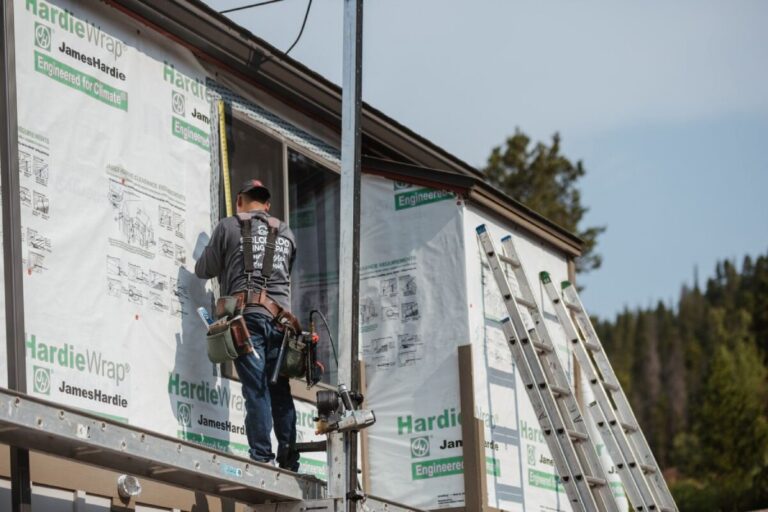
True cost management in exterior renovation requires a departure from superficial budgeting. It demands an appreciation for the mechanical nature of the building envelope—where rainscreens, thermal breaks, and vapor control layers function as an integrated system. By understanding how these components interact, homeowners can identify genuine efficiencies that do not compromise the structural integrity of the home. Efficiency is achieved through rigorous planning, informed material selection, and a commitment to professional execution, rather than by simply selecting the least expensive product on the market.
This analysis deconstructs the systemic drivers of exterior cladding costs. It moves past industry marketing to explore the underlying performance requirements for a durable and high-performing structure. By treating the envelope as a functional system rather than a decorative finish, designers and property owners can ensure that the home’s protection remains resilient over decades, effectively lowering the cost per year of service for the structure.
Understanding “how to reduce siding costs”
When homeowners investigate how to reduce siding costs, they often gravitate toward binary choices: either cheap materials or DIY installation. This lack of nuance misses the essential reality that the most significant expenses in exterior renovation are rarely limited to the siding panels themselves. Hidden variables—such as substrate repair, flashing upgrades, and the labor intensity required for proper detailing—frequently account for a larger portion of the final invoice than the cladding itself. The risk of oversimplification—treating the siding as a plug-and-play aesthetic layer—invariably leads to projects that may look complete initially but fail to perform under environmental stress. True fiscal control is achieved by identifying where value can be extracted through smarter design and better material utilization, not by neglecting the structural necessities of the wall assembly.
The Dynamics of Installation Complexity
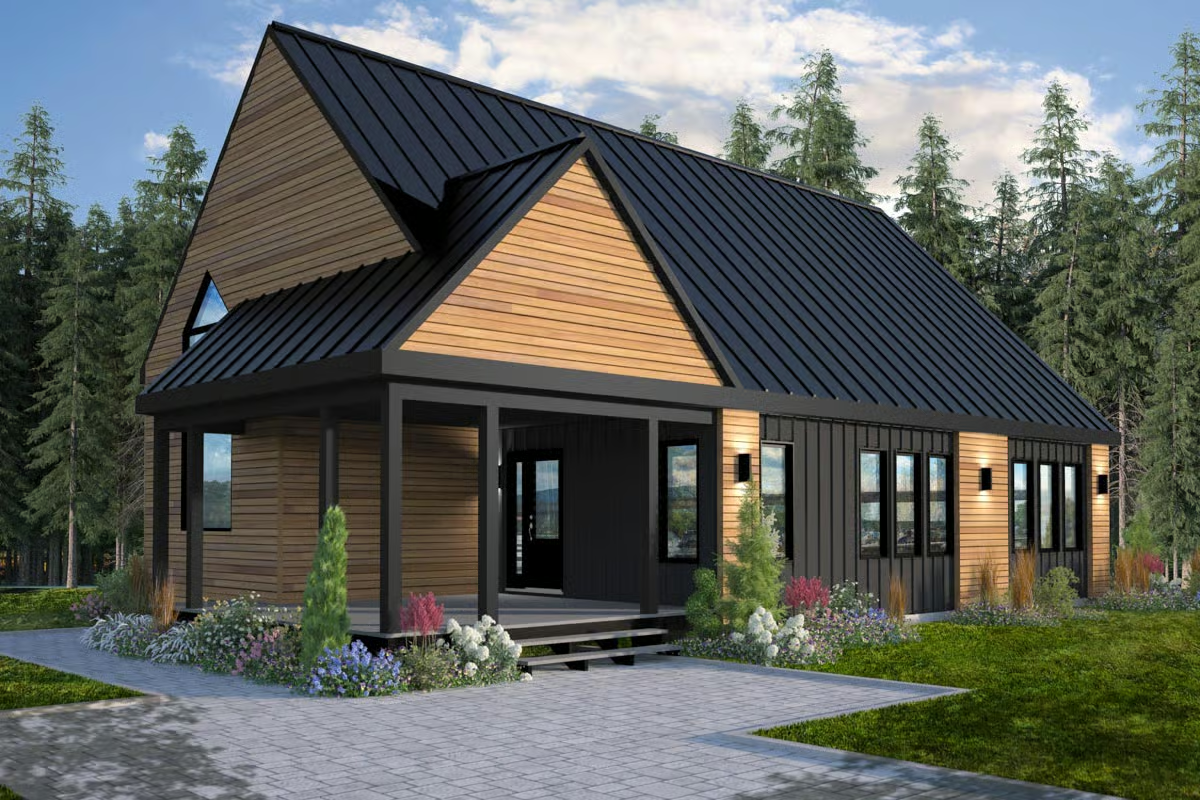
The cost of installation is directly proportional to the complexity of the home’s geometry. Projects with numerous corners, intersecting rooflines, and decorative trim details naturally require more labor and more precise cutting. A primary method for managing these expenses involves simplifying the exterior geometry during the planning phase. By minimizing the number of unnecessary transitions, homeowners can achieve significant savings in both material waste and hours worked.
The Lifecycle Perspective
A material that is inexpensive to purchase but expensive to maintain, or one that has a shorter service life, creates a high long-term financial burden. The total cost of ownership includes energy loss due to poor thermal performance, the potential for water damage, and the recurring necessity of painting or sealing. A focus on high-performance, low-maintenance materials often results in a lower total expenditure over a twenty-year horizon, even if the initial investment appears higher.
Deep Contextual Background of Cladding Evolution
Historically, building envelopes relied on regionally available materials—stone, timber, and masonry. These traditions were shaped by centuries of trial and error, leading to locally refined building practices that prioritized local availability and ease of repair. As industrialization introduced standardized materials in the 20th century, the complexity of the building envelope increased, leading to a decoupling of the cladding from the underlying structural assembly. This transition shifted the burden of performance onto the installer, making the quality of the workmanship an increasingly critical factor in the final cost of the building envelope.
Conceptual Frameworks for Financial Resilience
The Systemic Value Model
This framework posits that every component of the siding assembly is an investment in the home’s longevity. By prioritizing the structural integrity of the drainage plane and the quality of the flashing details, owners reduce the probability of catastrophic failures, which remain the most expensive risks in exterior renovation.
The Maintenance Minimization Strategy
This model focuses on specifying materials that are inherently resistant to environmental decay—such as cellular PVC, metal, or high-density composites—to reduce the frequency and cost of recurring maintenance. It effectively trades higher upfront material costs for a more predictable and lower annual upkeep expense.
The Waste-Reduction Methodology
Efficient material utilization is a significant driver of fiscal health. By utilizing standard panel sizes and pre-finished trim components, projects can minimize scrap and expedite installation, directly reducing labor hours without sacrificing the final aesthetic quality.
Categories of Cladding Systems and Their Trade-offs
| Cladding Category | Initial Cost | Installation Labor | Long-Term Maintenance | Best For |
| Engineered Wood | Moderate | Moderate | Moderate | Traditional Aesthetic |
| Fiber Cement | Moderate | High | Moderate | Durability/Versatility |
| Metal Panels | High | High | Very Low | Modern/Industrial |
| Vinyl | Low | Moderate | Low | Budget Sensitivity |
| Masonry Veneer | Very High | Very High | Minimal | Extreme Resilience |
| Cellular PVC | High | Low | Low | Coastal Resilience |
Real-world decision logic involves matching the material to the site’s environmental stress. In regions with high solar load, metal panels may require specific expansion joints. In humid areas, ensuring adequate ventilation behind the panels is the most critical factor for performance.
Real-World Scenarios and Decision Logic How To Reduce Siding Costs
The Geometry Optimization Scenario
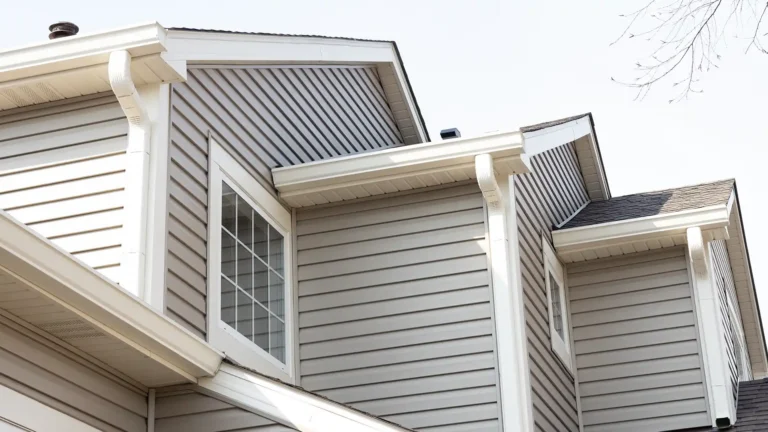
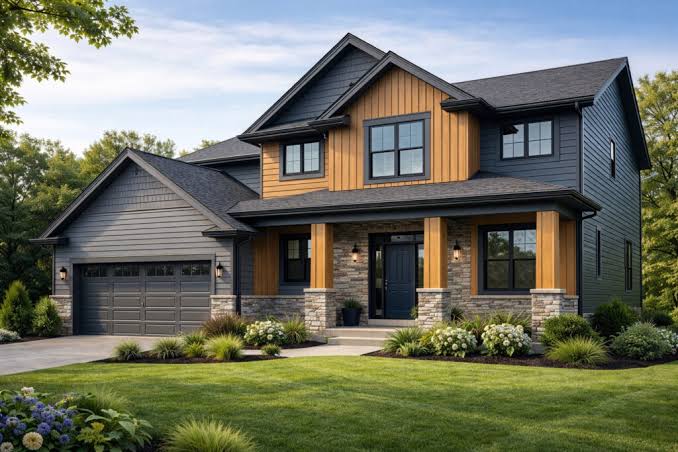
A complex residential layout with many gables and dormers leads to excessive cutting and waste. The decision point involved simplifying the trim details and using standardized vertical panel heights, which reduced material waste by 15% and decreased labor time significantly.
The Substrate Rehabilitation Failure
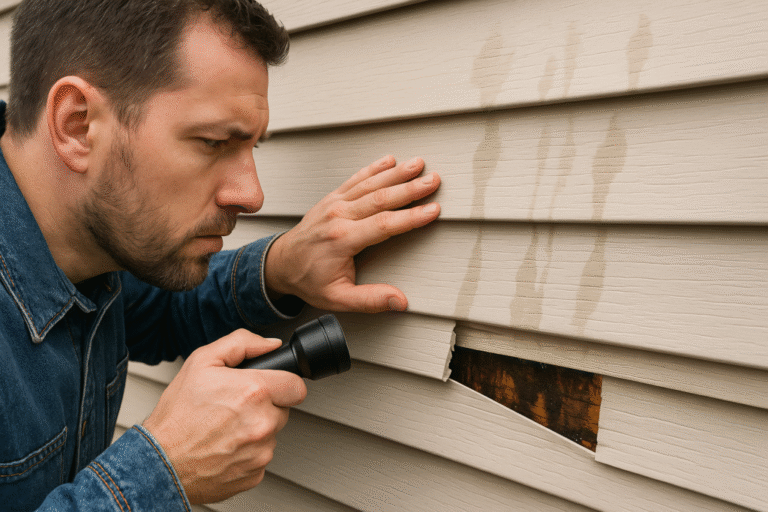
During a renovation, the existing plywood sheathing was found to have hidden decay. The failure mode would have been to cover the rot with new siding. Instead, the budget was re-allocated to perform necessary structural repairs, preventing a second-order failure that would have cost four times more to fix five years later.
The Flashing Integration Decision
A project involved a tight budget, leading to the temptation to reuse old flashing around windows. The analysis showed that old flashing would likely leak, causing systemic moisture issues. The decision was to invest in premium, self-adhering flashing tapes during the siding installation, securing the envelope and avoiding potential structural damage.
Planning, Cost, and Resource Dynamics
| Component | Relative Expenditure | Flexibility Level | Failure Risk |
| Material Procurement | 40-50% | High | Low |
| Labor & Installation | 30-40% | Moderate | High |
| Structural Repairs | 10-20% | Low | Very High |
| Finishing & Sealing | 5-10% | Low | Moderate |
Fiscal control starts before the first piece of material is purchased. Accurate material take-offs and a detailed scope of work are the most powerful tools available for managing the total expenditure.
Tools, Strategies, and Support Systems
Accurate Material Take-offs
Utilizing digital modeling allows for precise measurements, reducing waste from over-ordering and minimizing the delays caused by insufficient materials on site.
Professional Installation Sequencing
A structured approach to the installation, where the drainage plane is completed and inspected before the cladding is applied, ensures that no steps are missed.
High-Performance Sealants
Investing in high-quality, long-lasting sealants for joints and penetrations is a low-cost, high-impact strategy that extends the service life of the entire assembly.
Risk Landscape and Failure Modes
The primary financial risk in exterior work is the “unknown condition.” Hidden rot, missing moisture barriers, and structural deficiencies must be budgeted for as contingencies. Failing to identify these issues during the planning stage often leads to mid-project budget explosions.
Governance, Maintenance, and Long-Term Adaptation
A permanent management protocol ensures the health of the cladding system. Annual audits of caulk lines and joint seals allow for minor, low-cost repairs that prevent larger, structural interventions. This structured, proactive approach is the most effective way to protect the initial investment.
Measurement, Tracking, and Evaluation
-
Leading Indicators: The cleanliness of joint seals and the integrity of the rainscreen ventilation.
-
Lagging Indicators: The frequency and cost of unplanned repairs over a three-year period.
-
Documentation Example: The Exterior Renovation Ledger, which logs all material specifications, installer qualifications, and seasonal maintenance tasks.
Common Misconceptions and Oversimplifications
-
Myth: “Vinyl is always the cheapest option.” Correction: When factoring in the need for replacement due to heat damage or brittle failure, higher-performance options often have better lifecycle value.
-
Myth: “DIY installation saves money.” Correction: Improperly detailed flashing and drainage often lead to thousands of dollars in structural damage that far exceeds the initial labor cost of a professional.
-
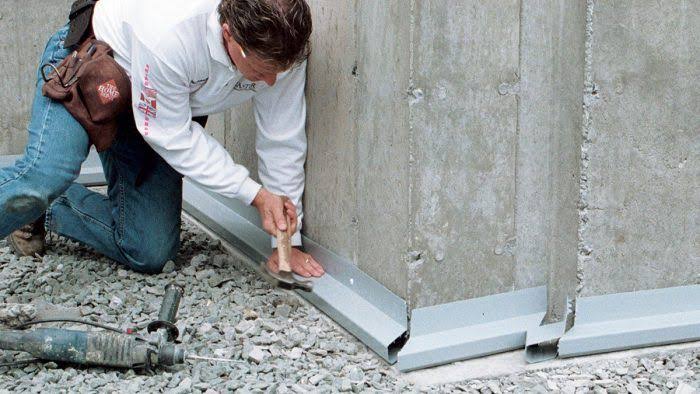
Myth: “All siding is water-tight.” Correction: Siding is only a drainage screen; the moisture barrier behind it is the true seal.
Ethical, Practical, and Contextual Considerations
Practicing financial stewardship means designing for durability. Building an envelope that requires a total replacement every decade is not just a financial drain; it is a failure of resource management. Practical, informed decisions lead to structures that serve their purpose for generations.
Conclusion
The pursuit of understanding how to reduce siding costs is fundamentally a search for design efficiency and structural resilience. By focusing on the systemic requirements of the building envelope, owners can ensure that their capital is invested in the parts of the wall assembly that provide the highest return. Longevity is the true measure of cost, and the most successful projects are those where the upfront investment is optimized to yield the lowest possible maintenance and repair burden over the life of the home.