Common Vinyl Siding Mistakes: Expert Guide to Durable Home Exteriors
Vinyl siding remains the most prevalent cladding choice across North American residential architecture. Its popularity stems from perceived low maintenance requirements and cost-effectiveness. However, these benefits often mask the technical rigor required for a successful installation. Common Vinyl Siding Mistakes. Many homeowners assume that plastic panels simply snap into place without consequence.
Complexity arises from the material’s physical properties. Vinyl exhibits significant thermal expansion and contraction cycles throughout the year. Ignoring these mechanical realities leads to premature failure of the building envelope. Professional contractors understand that the system must move freely to remain intact.
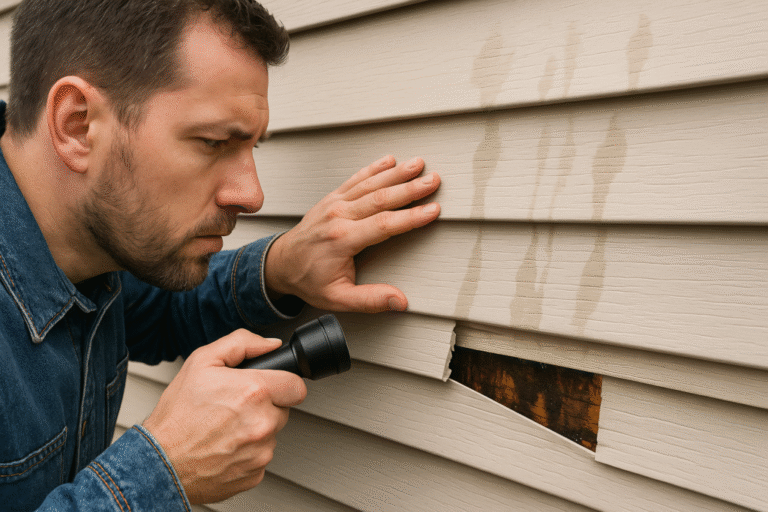
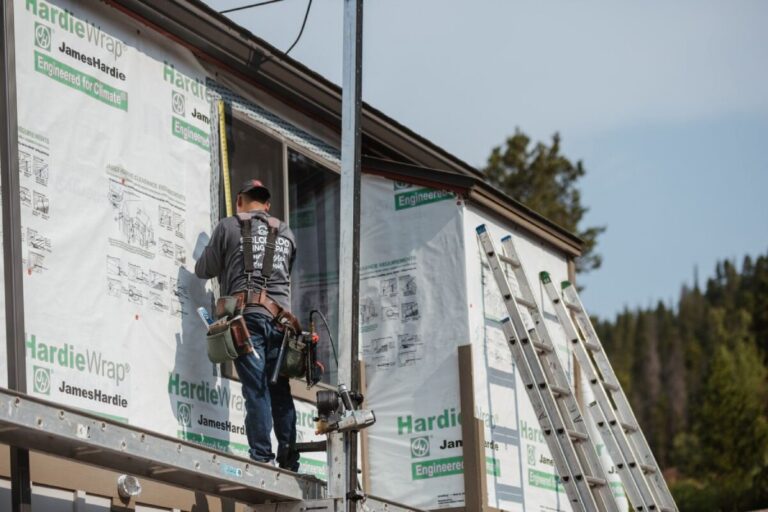
Quality control is frequently sidelined during rapid construction projects. Improper fastening techniques or inadequate weather barriers compromise the structural integrity. Moisture trapped behind the panels manifests as hidden rot. Addressing these issues early prevents catastrophic long-term damage to the wall assembly.
Understanding common vinyl siding mistakes
Defining common vinyl siding mistakes requires a shift in perspective. Most observers focus solely on the visible surface aesthetics. Technical experts, conversely, analyze the sub-surface integration and flashing details. Misunderstandings occur when the installer treats vinyl like rigid lumber rather than a fluid skin.
Oversimplification poses the greatest risk to structural longevity. Contractors might drive fasteners tight against the substrate to ensure stability. This error prevents the necessary lateral movement of the siding panels. Buckling and warping follow quickly when temperatures rise. Nuance is essential for distinguishing between cosmetic blemishes and system-level failures.
Deep Contextual Background
Vinyl siding emerged as a low-cost alternative to wood during the mid-twentieth century. Early formulations suffered from extreme brittleness and rapid pigment degradation. Advances in polymer science subsequently improved durability and color retention. Modern vinyl manufacturers now offer diverse profiles mimicking traditional lap siding or shakes.
Structural Evolution
Building science has evolved alongside material improvements. Modern code requirements now emphasize continuous moisture drainage. Previous installation methods relied on simple paper barriers that lacked effective drainage pathways. Retrofitting older homes often exposes these archaic, moisture-trapping construction habits. Newer systems integrate rainscreen components to ensure air circulation behind the panels.
Conceptual Frameworks and Mental Models
Successful projects rely on a clear understanding of material physics. The Thermal Expansion Model highlights the movement range of panels. Builders must anticipate inches of expansion across long wall runs. Designing for this movement prevents permanent deformation of the exterior shell.
The Moisture Management Framework
Water is the primary enemy of any residential building envelope. The Moisture Management Framework prioritizes redundant drainage layers. Each overlap must be sequenced to shed liquid outward. Flashing details at windows and doors provide the final line of defense against infiltration.
The Mechanical Attachment Model
Vinyl should be hung, not nailed. This core principle governs the life expectancy of the siding. Fasteners must be centered in the slots provided by the manufacturer. Tight nailing represents the most frequent cause of system failure. Proper gaps allow the panels to slide horizontally during temperature shifts.
Key Categories and Variations
Errors occur across several distinct operational domains. Fastening failures result from incorrect tension or alignment. Flashing mistakes happen at critical junctions like corners. Trim installation often ignores the need for expansion space at termination points.
Categorizing Common Installation Flaws
| Failure Category | Primary Cause | Long-Term Consequence |
| Nailing Issues | Over-tightening fasteners | Warping and buckled panels |
| Flashing Errors | Improper overlap sequence | Hidden water infiltration |
| Trim Tightness | Insufficient clearance | Cracking at J-channels |
| Substrate Prep | Uneven backing surfaces | Wavy, distorted wall finish |
Realistic Decision Logic
Selection of materials must align with regional climate realities. High-wind zones necessitate specific nailing patterns to prevent blow-offs. Coastal environments demand stainless steel hardware to resist salt air corrosion. Intelligent planning involves assessing these environmental pressures before purchasing materials.
Detailed Real-World Scenarios Common Vinyl Siding Mistakes
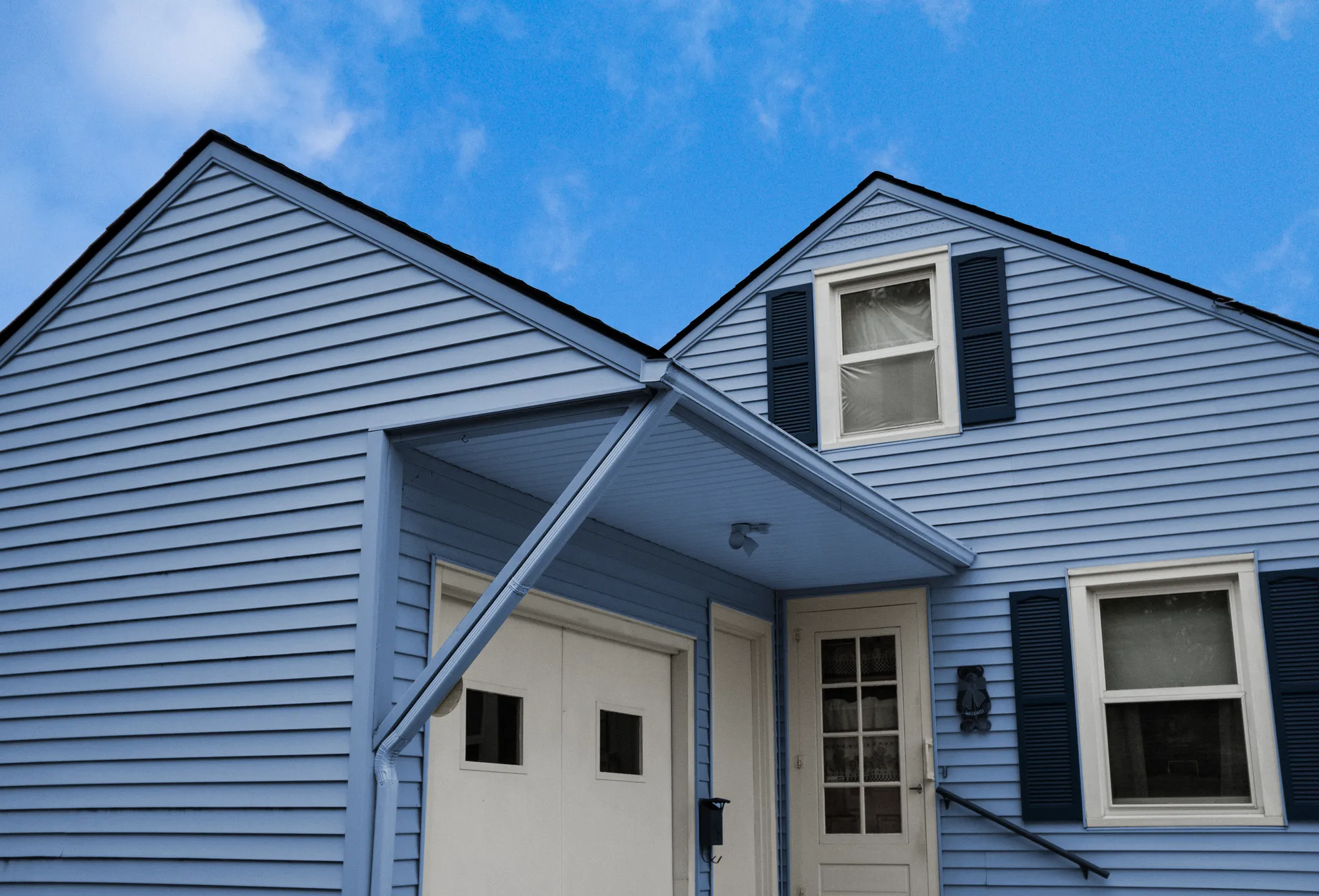
Scenario planning reveals how small oversights compound over time. A home in a high-temperature region undergoes massive daily expansion. If the contractor neglected expansion gaps, the panels collide at the corners. The entire wall eventually ripples as the system lacks room to breathe.
The Window Flashing Failure
Flashing is frequently installed after the siding is attached. This sequence allows water to flow behind the protective barrier. Proper methodology requires integrating the flashing behind the siding before closure. Poorly sealed openings lead to severe damage inside the wall cavity.
The J-Channel Misalignment
Trim pieces often hold panels too tightly near corners. During hot months, the panel cannot expand toward the trim. Internal pressure forces the siding to pop out of its track. This results in unsightly gaps and increased vulnerability to wind-driven rain.
Planning, Cost, and Resource Dynamics
Budgeting for a siding project involves more than just material price. Professional installation covers the expertise required to avoid common vinyl siding mistakes. Cutting corners on labor usually results in expensive repairs within five years. Investing in experienced crews ensures the manufacturer’s warranty remains intact.
Resource Allocation
Direct expenses include siding panels, underlayment, and flashing tapes. Indirect costs encompass project management and waste removal. Opportunity costs involve the potential loss of resale value from a poorly installed exterior.
| Expense Item | Variability | Impact on Longevity |
| High-Grade Fasteners | Low | High |
| Specialized Flashing | Medium | High |
| Skilled Labor | High | Extreme |
| Surface Preparation | Medium | High |
Tools, Strategies, and Support Systems
Precision tools define the difference between amateur and professional results. Snips must be kept sharp to ensure clean edges on vinyl. Laser levels are essential for maintaining horizontal alignment across large spans. Moisture sensors identify existing damage during the preparation phase.
Implementation Strategies
Checklists are employed by successful crews throughout the process. Every course is inspected for correct fastener tension before proceeding. Rainscreen installation ensures adequate drying potential behind the panels. Quality control is verified by the site foreman before final punch-list items are addressed.
Risk Landscape and Failure Modes
Failures often stem from a cascade of small errors. A single missed flashing detail invites moisture intrusion. Rot develops quietly within the structure for several seasons. Mold growth impacts indoor air quality significantly. The repair cost eventually dwarfs the original installation expense.
Compounding Installation Risks
Improper trim spacing creates stress points. High winds exacerbate these existing structural vulnerabilities. A minor ripple in the siding can lead to total system detachment during storm events. Regular monitoring identifies these risks before they become critical.
Governance, Maintenance, and Long-Term Adaptation
Maintaining an exterior system requires periodic evaluation. Owners should inspect the siding twice annually. Caulking around windows must remain flexible and intact. Shrubs should be pruned back to prevent mechanical abrasion. Proper drainage at the foundation ensures water is diverted away from the wall base.
The Maintenance Checklist
Routine care preserves the integrity of the cladding. Remove debris from horizontal channels to prevent mold growth. Clean panels gently to maintain the factory finish appearance. Inspect all corner caps for signs of shifting or detachment. Document any observations in a home maintenance log.
Measurement, Tracking, and Evaluation
Evaluation requires both visual and mechanical metrics. Leading indicators include slight gaps appearing at trim locations. Lagging indicators reveal themselves as interior water stains or warped wall faces. Moisture meters provide quantitative data regarding the dryness of the underlying sheathing.
Documentation Standards
Maintain records of the original installation contract. Keep copies of the product warranty and color codes. Take high-resolution photographs annually to track weathering patterns. This documentation is invaluable during potential resale or insurance claims.
Common Misconceptions and Oversimplifications
Many believe vinyl siding is maintenance-free. Reality dictates that regular cleaning and inspection are essential. Others claim that thicker panels eliminate the need for proper installation techniques. Physics proves that even premium materials fail when improperly fastened.
Clarifying Performance Realities
Vinyl does not rot, but the underlying wood structure certainly will. Painting vinyl is often considered, yet it rarely adheres well long-term. Color choice impacts heat absorption on south-facing walls significantly. Understanding these nuances prevents the perpetuation of common vinyl siding mistakes.
Ethical and Contextual Considerations
Material sourcing involves ethical supply chain management. Production processes for vinyl release specific environmental byproducts. Responsible homeowners prefer manufacturers with transparent sustainability practices. Construction ethics demand that contractors provide accurate quotes and realistic timeline expectations.
Community Context
Exterior aesthetics affect the entire neighborhood value. High-quality installations contribute to overall community stability. Poor work signals neglect to the surrounding area. Professionalism in installation reflects respect for the local architectural landscape.
Conclusion
Vinyl cladding success relies on respecting fundamental physical laws. Movement must be accommodated throughout every square foot of the project. Diligent installation prevents the most common vinyl siding mistakes from ruining the home’s value. Quality remains the result of patience and technical precision. Long-term durability is the ultimate reward for careful planning.